
The hotel zone (the beach)
The postcard and the tourism engine: hotels, beach clubs, dollar pricing. Almost nobody lives here — you visit it, work in it, and head home.
Living in Tulum means living in two towns at once: a beach destination priced in dollars, and a tropical town where daily life runs in pesos. This guide covers both — the month-by-month climate, honest cost-of-living talk, the neighborhoods where residents actually live, and who Tulum is (and isn’t) for.
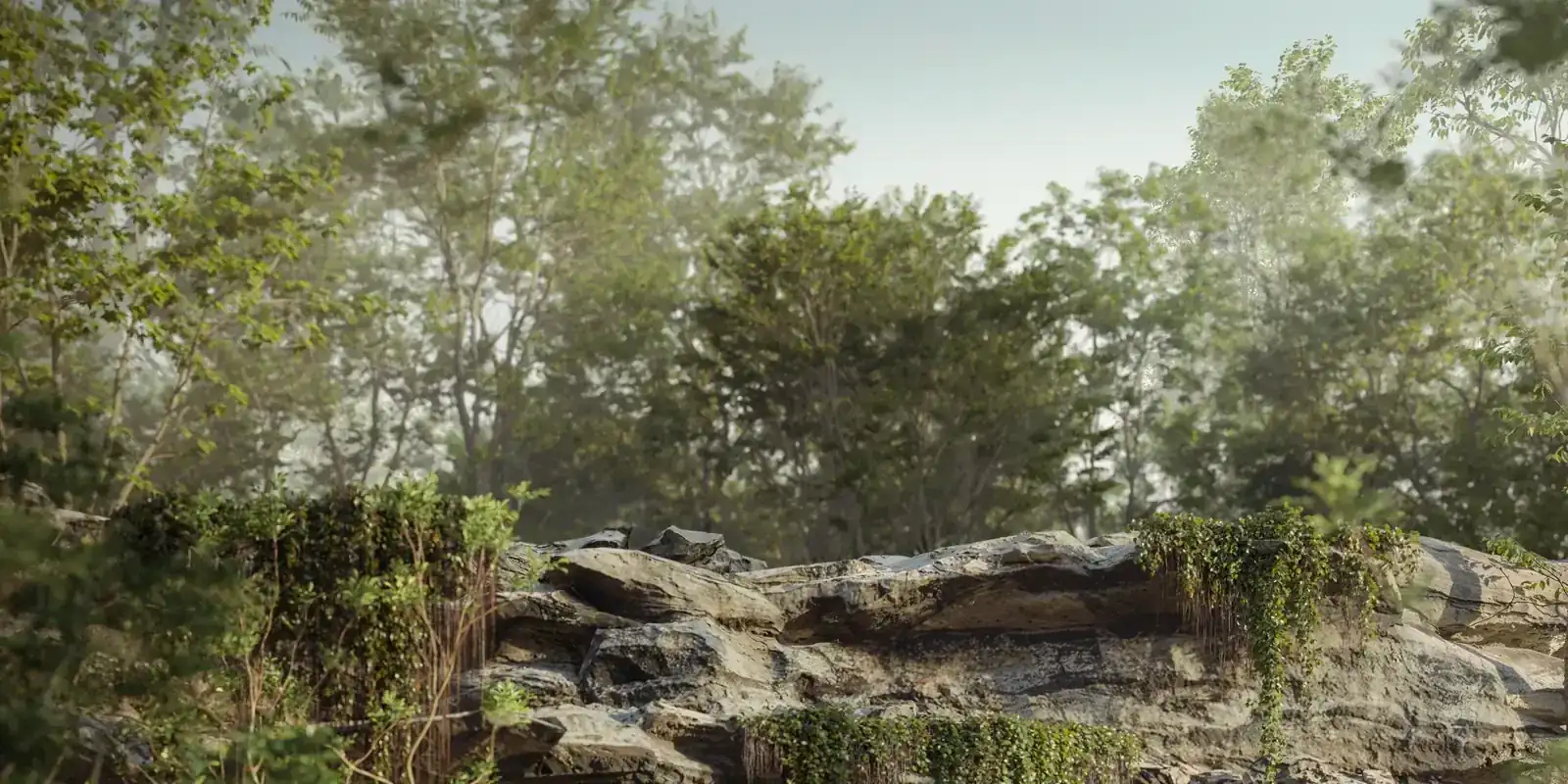
Project render
The postcard — beach clubs, boutiques, sunsets — is real, but it belongs to the tourist economy. Most people who live in Tulum spend their week away from it: in town, in La Veleta, or out on the jungle side, where mornings start with birdsong rather than a DJ set.
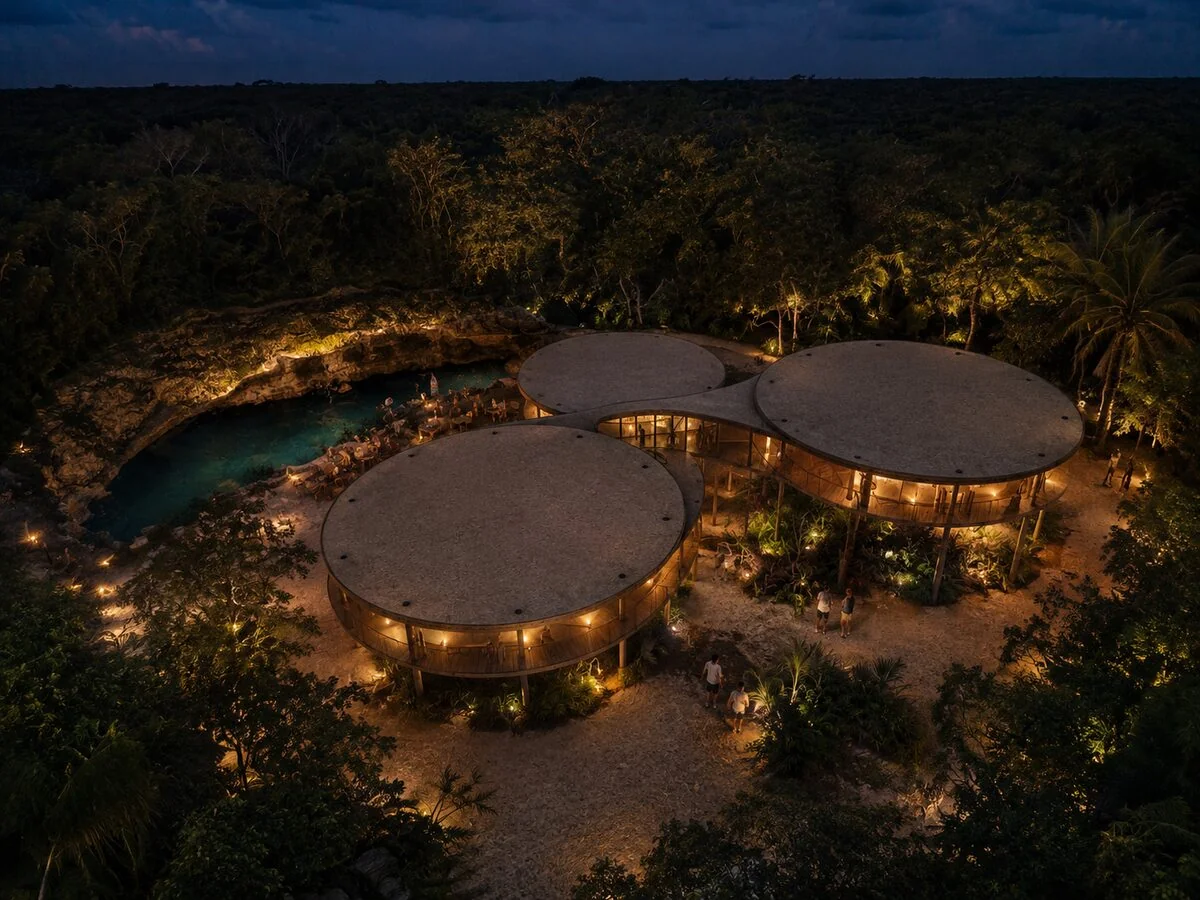
On the Ruta de los Cenotes side, the rhythm changes: jungle mornings, cenotes without lines, nights where silence is not a brochure promise. In exchange, you accept tropical-town logistics — heat, humidity, errands that take their time. That trade, nature for instant convenience, is the central decision of living here.
Two seasons run the year: dry (November–April) and hot-humid (May–October). Sargassum seaweed reaches the beaches roughly May through September, and the Atlantic hurricane season runs June to November. Here is a typical year:
| Month | Season | What to expect (typical pattern) |
|---|---|---|
| January | Dry | Warm days, cool nights. Peak tourist season. |
| February | Dry | Dry and mild; among the most comfortable months. |
| March | Dry | Heat picks up. Spring break is felt all over town. |
| April | Dry | Rising heat; the last dry weeks. |
| May | Hot | Strong heat and humidity. Sargassum usually begins on the beaches. |
| June | Hot · rainy | Afternoon rains. Hurricane season begins (Jun–Nov). |
| July | Hot · rainy | Intense heat; sargassum varies by year. |
| August | Hot · rainy | Peak heat, scattered storms. |
| September | Rainy | The wettest month; peak of hurricane season. |
| October | Rainy | Frequent rain; the heat starts to ease. |
| November | Transition | Dry air returns. High season begins. |
| December | Dry | Mild and dry; peak tourist demand. |
Typical regional patterns, not a forecast — every year differs, sargassum especially. Two nuances: sargassum affects beaches, not cenotes or the jungle side; and "hurricane season" means watching the forecast, not a hurricane every year.
Far more than three years ago, and the change has dates. The Maya Train has run passenger service since December 2023, linking Tulum to Playa del Carmen, Cancún and the rest of the peninsula. Tulum International Airport (Felipe Carrillo Puerto) opened December 1, 2023, with direct domestic and international flights.
Cancún’s airport — still the region’s largest route map — sits about 90 minutes away by highway, and the Playa-Cobá bypass, now under construction, is designed to pull through-traffic out of downtown Tulum.
The postcard and the tourism engine: hotels, beach clubs, dollar pricing. Almost nobody lives here — you visit it, work in it, and head home.
Markets, family-run restaurants, hardware stores, paperwork. The most real — and loudest — version of Tulum, with daily life in pesos.
Urban-residential Tulum, grown between town and beach: condos, cafés, coworking spaces. Aldea Zamá — master-planned by the same family now developing Selvadentro — brought order to much of that growth.
On the Ruta de los Cenotes side the bet is different: land instead of a condo, space and silence instead of a central corner. Private communities like Selvadentro — nine cenotes, 65% of the jungle preserved — exist for that change of scale.
Less than vacationing here, more than it did a decade ago. Two economies coexist: the tourist one — dollar menus, beach, delivery — and the local one — markets, fondas, pesos. The same week can cost double or half depending on which one you live in.
We would rather not publish figures that expire in months. The variables that matter most are constant: where you rent or build, how much air conditioning you run in the hot months, and how often you eat in the tourist zone. Tulum is not cheap; it also doesn’t have to cost you like a permanent vacation.
If you recognize yourself in the quiet side — space, cenotes, a handful of neighbors — that life already exists, and it is regulated to last: a gated community in the Tulum jungle with nine cenotes inside, and lots for sale from $68,000 USD to build at your own pace.
Mirador and Refugio are no longer available. Suspiro is the active enclave — with limited lots and a price that keeps growing. Talk to an advisor and discover which lot is yours.