
65% of the jungle intact
The masterplan reserves nearly two thirds of the territory as preserved jungle. Not ornamental green area — the original ecosystem, untouched.
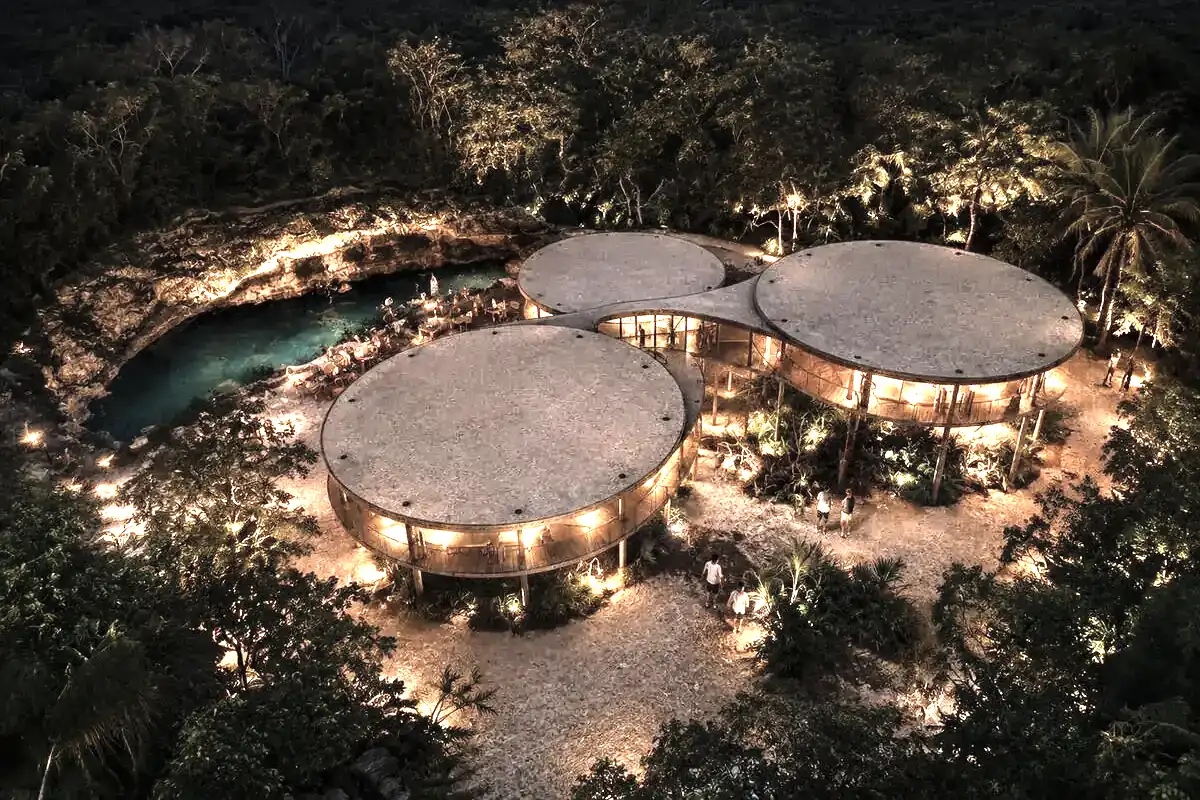
"Eco-friendly" is the most used — and least verified — word in Tulum real estate. A genuinely ecological development shows up in documents, not adjectives: at Selvadentro, 65% of the jungle is preserved by masterplan, nine cenotes are mapped with specialists, and construction is capped at 35% of every lot.
Illustrative image
Nearly everything built in Tulum is marketed as eco-friendly, sustainable or eco-chic. Some projects are. Many use the word as a marketing finish while the site plan tells a different story. Telling them apart takes no faith — just three questions.
Is the commitment written into a binding document — the masterplan, the building code? Is it measurable — a percentage, a cap, a height? Has anyone outside the sales office documented it? A slogan survives none of those questions. A commitment survives all three.
| Marketing claim | Verifiable commitment |
|---|---|
| "Eco-chic" branding and jungle renders | 65% of the jungle preserved, written into the masterplan |
| Solar panels on the clubhouse | 35% max lot coverage binding every lot: density is the rule, not a gesture |
| "Cenote-inspired" theming | Nine real cenotes, mapped with specialists, with managed access |
| "Surrounded by nature" | A two-level + roof deck height cap, so the jungle keeps the skyline |
| "Conscious design" | An Estudio AMA masterplan, documented by international architecture press |
The left column describes common formulas in the region’s real-estate marketing, not any particular project.
The masterplan reserves nearly two thirds of the territory as preserved jungle. Not ornamental green area — the original ecosystem, untouched.
Mirador, Playa, Piedra, Luz, Azul, Selva, Madera, Vida and Caverna were mapped with specialists before a single road was drawn. The streets go around the water, not the other way.
35% max lot coverage, 70% buildable intensity, and two levels + roof deck. The rules bind every lot and keep pressure on the aquifer to a minimum.
Sustainable energy and an underground water network, with controlled access and roads defined on the plan — not added afterward.
The Estudio AMA masterplan has been published by ArchEyes, Archello and ADF Web Magazine — international architecture press that does not answer to us.
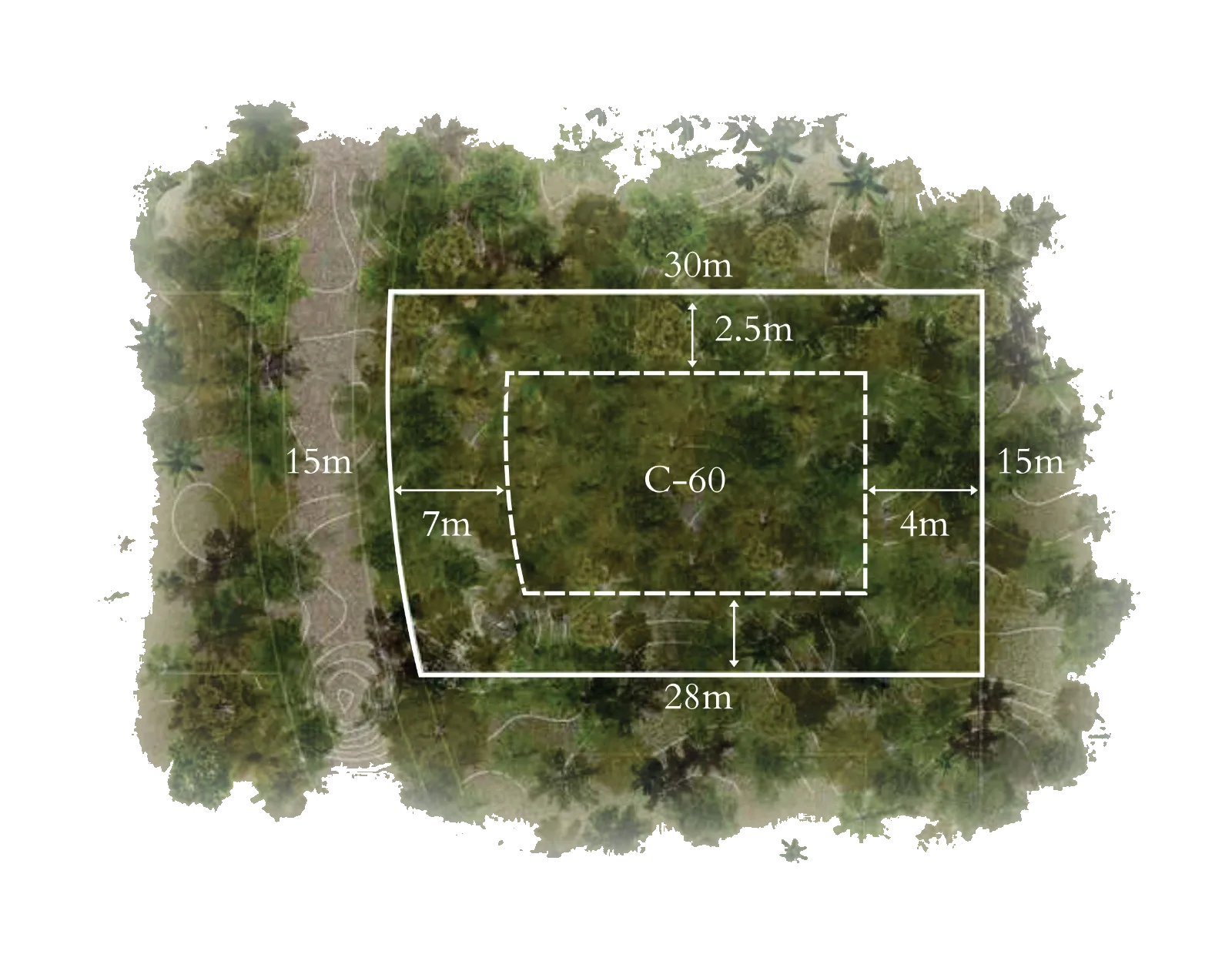
Look for the preservation percentage written on the plan, not in the brochure.
Lot coverage, buildable intensity, height caps. If they don’t bind every lot, it’s landscaping, not preservation.
In cenote country, a developer should be able to name the specialists who mapped the subsoil.
Architecture press, public registries, and a development team with a verifiable name and track record.
We are glad to be run through that filter: the team and its track record are on the developer page, and the blog covers how to research any Tulum project before you sign.
Mirador and Refugio are no longer available. Suspiro is the active enclave — with limited lots and a price that keeps growing. Talk to an advisor and discover which lot is yours.